- あなたの支援が必要です!
-
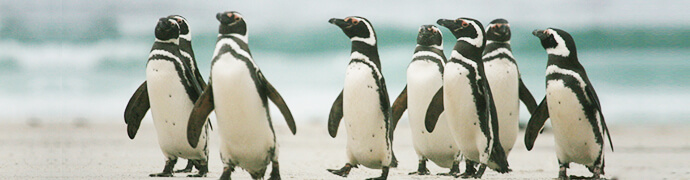
© Natalie Bowes / WWF-Canada 1年間その支援を継続すると…
南米のチリで海の大切さを伝え、地域の人たちにも
その保全に参加してもらう普及活動を
1回実施できます。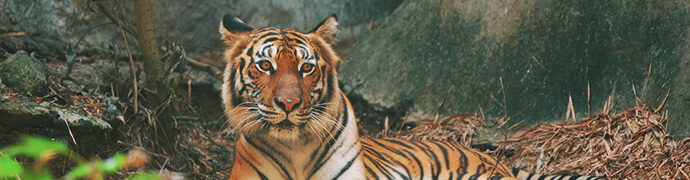
© Vladimir Filonov / WWF 1年間、その支援を継続すると…
野生のトラが生息する東南アジアの森で行なう
カメラトラップ調査のトレーニングを
実施できます。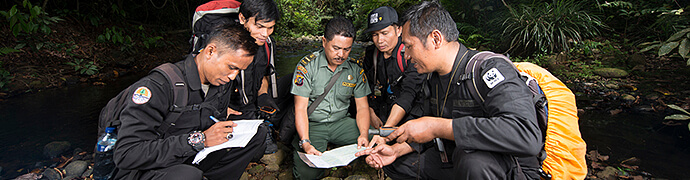
© Ola Jennersten / WWF-Sweden 1年間、その支援を継続すると…
スマトラの熱帯林で、
違法伐採や野生動物の密猟を防ぐパトロールを
14日間、支えることができます。© Natalie Bowes / WWF-Canada 毎月この金額を一年ご寄付頂くと…
南米のチリで海の大切さを伝え、地域の人たちにも
その保全に参加してもらう普及活動を
1回実施できます。© Vladimir Filonov / WWF 毎月この金額を一年ご寄付頂くと…
野生のトラが生息する東南アジアの森で行なう
カメラトラップ調査のトレーニングを
実施できます。© Ola Jennersten / WWF-Sweden 毎月この金額を一年ご寄付頂くと…
スマトラの熱帯林で、
違法伐採や野生動物の密猟を防ぐパトロールを
14日間、支えることができます。- 会員になる(毎月支援)
- 寄付をする(1度だけ支援)
WWF Japan
About us

WWF is one of the world’s largest leading conservation organizations, working in more than 100 countries and supported by 5 million supporters globally.
WWF’s mission is to stop the degradation of the planet’s natural environment and to build a future in which humans live in harmony with nature, by:
- conserving the world’s biological diversity
- ensuring that the use of renewable natural resources is sustainable
- promoting the reduction of pollution and wasteful consumption.
What WWF Japan Does

WWF Japan works on various conservation projects both nationally and internationally that Japan has significant humanity’s impacts on.
WWF news
- WWF Japan Announces Research Report on the 2024 TNFD Disclosure Trends in Japan
- WWF Japan Releases New Report Highlighting Japan’s Role in Global Reptile Trade
- Japan’s new 2035 climate target is not consistent with the 1.5°C goal of the Paris Agreement.
- Remaining issues in the GX laws and necessary improvements
あなたの支援が
必要です!
私たちの活動は、皆さまのご支援によって行われています。人類を含む全ての生き物と自然が調和して生きていける未来のために、ご支援をお願い致します。
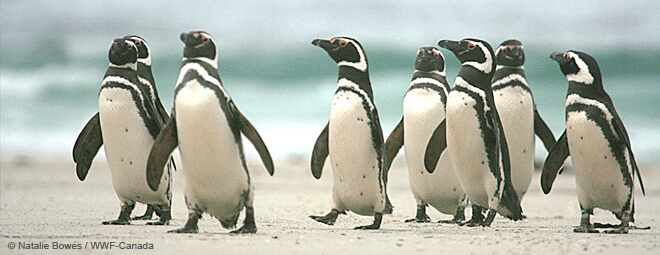
1年間その支援を継続すると…
南米のチリで海の大切さを伝え、地域の人たちにも
その保全に参加してもらう普及活動を
1回実施できます。
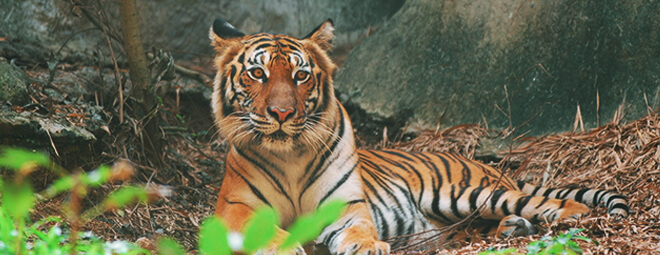
1年間、その支援を継続すると…
野生のトラが生息する東南アジアの森で行なう
カメラトラップ調査の
トレーニングを実施できます。
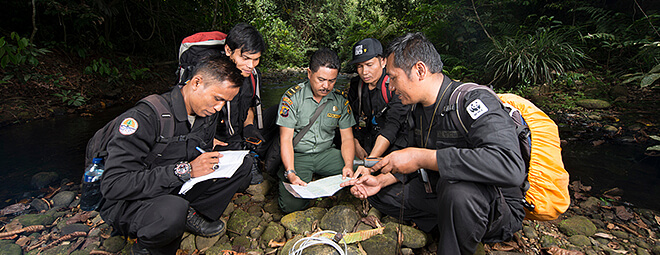
1年間、その支援を継続すると…
スマトラの熱帯林で、
違法伐採や野生動物の密猟を防ぐパトロールを
14日間、支えることができます。
1年間その支援を継続すると…
南米のチリで海の大切さを伝え、地域の人たちにも
その保全に参加してもらう普及活動を
1回実施できます。
1年間その支援を継続すると…
野生のトラが生息する東南アジアの森で行なう
カメラトラップ調査の
トレーニングを実施できます。
1年間その支援を継続すると…
スマトラの熱帯林で、
違法伐採や野生動物の密猟を防ぐパトロールを
14日間、支えることができます。
- 会員になる(毎月支援)
- 寄付をする(1度だけ支援)
遺贈遺言・高額寄付に関するご相談はこちら
人と自然が調和して
生きられる未来を目指して
WWFは100カ国以上で活動している
環境保全団体です。